

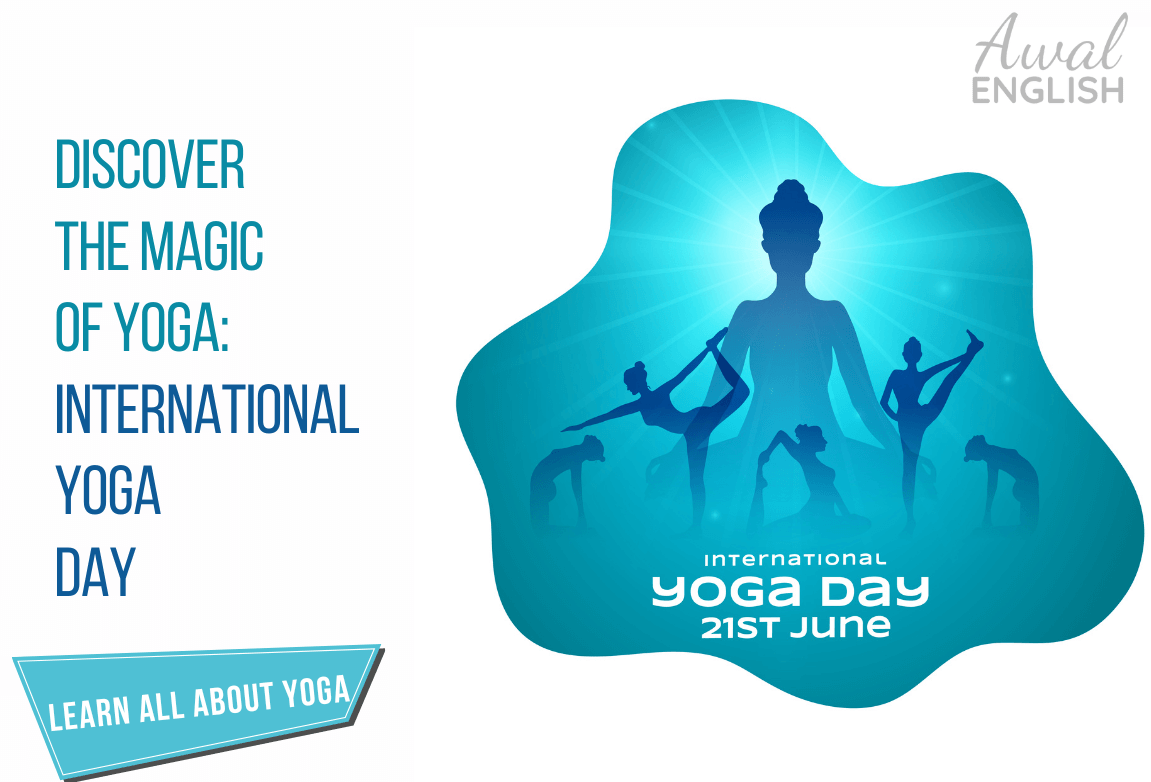
Yoga is more than just a workout—it’s a journey of self-discovery, peace, and transformation. Imagine starting your day with a serene mind, a flexible body, and a spirit ready to conquer any challenge. Intrigued? Let’s dive into the world of yoga and celebrate International Yoga Day together!

What is Yoga?
Yoga is an ancient practice that combines physical postures, breathing techniques, meditation, and ethical disciplines to harmonize the body, mind, and spirit. Originating in India over 5,000 years ago, yoga has evolved into various forms and styles, each aiming to achieve balance, peace, and enlightenment.
The Essence of Yoga
Physical Postures (Asanas): These are specific body positions that improve flexibility, strength, and balance. They form the basis of many yoga practices and are designed to align and purify the body. Examples include the Downward-Facing Dog (Adho Mukha Svanasana) and the Warrior Pose (Virabhadrasana).
Breathing Techniques (Pranayama): Pranayama involves controlling the breath to influence the flow of prana (life force) in the body. Techniques like Alternate Nostril Breathing (Nadi Shodhana) can help calm the mind and energize the body.
Meditation (Dhyana): Meditation practices focus on quieting the mind and finding inner peace. Through meditation, one can achieve mental clarity and emotional stability. Common forms include mindfulness meditation and loving-kindness meditation.
Ethical Disciplines (Yamas and Niyamas): These are moral guidelines for how to treat others (Yamas) and personal habits (Niyamas). Yamas include principles like non-violence (Ahimsa) and truthfulness (Satya), while Niyamas include cleanliness (Saucha) and self-discipline (Tapas).
What is International Yoga Day?
International Yoga Day is a global event celebrated on June 21st every year. Established by the United Nations in 2014, its purpose is to raise awareness about the benefits of yoga and promote its practice worldwide. This day unites yoga enthusiasts from all corners of the globe in celebrating and practicing yoga, fostering unity and well-being.
Objectives of International Yoga Day
Promote Physical and Mental Health: Highlight yoga’s holistic health benefits, showing how it can improve physical strength, flexibility, mental clarity, and emotional well-being.
Encourage Regular Practice: Inspire individuals to incorporate yoga into their daily lives, making it a routine part of their wellness regimen.
Foster Global Unity: Connect people through a shared practice, transcending cultural and national boundaries to promote global harmony and understanding.
Spread Awareness: Educate the public about yoga’s origins, significance, and the vast array of benefits it offers, from reducing stress to improving overall health.
When is International Yoga Day?
Mark your calendars! International Yoga Day is celebrated on June 21st every year. This date, chosen for its significance as the summer solstice, symbolizes the union of light and enlightenment. The summer solstice is the longest day of the year, representing the triumph of light over darkness, which resonates with yoga’s journey towards inner illumination.
History
The Birth of a Global Celebration
Proposed by India: The idea of International Yoga Day was first proposed by India’s Prime Minister, Narendra Modi, during his speech at the United Nations General Assembly in 2014. He emphasized yoga’s universal appeal and holistic benefits.
UN Resolution: On December 11, 2014, the United Nations General Assembly adopted the resolution with 177 member countries supporting it. This widespread support underscored yoga’s global resonance and acceptance, making it one of the most well-received resolutions in the UN.
First Celebration: The inaugural International Yoga Day was celebrated on June 21, 2015. Millions of people participated in yoga sessions worldwide, from New York’s Times Square to New Delhi’s Rajpath, showcasing the event’s massive global impact. In New Delhi, the event set two Guinness World Records: the largest yoga class, featuring 35,985 participants, and the largest number of participating nationalities, with people from 84 countries.
Notable Milestones
2015: The inaugural celebration focused on “Yoga for Harmony and Peace,” emphasizing yoga’s role in fostering unity and tranquility on a global scale.
2016: The theme shifted to “Yoga for the Achievement of the Sustainable Development Goals,” highlighting yoga’s potential in addressing various social, economic, and environmental challenges.
2017: International Yoga Day centered around “Yoga for Health,” promoting yoga as a holistic approach to well-being that encompasses physical, mental, and emotional health.
2018: The theme “Yoga for Peace” underscored yoga’s capacity to promote inner peace and harmony, contributing to peace-building efforts worldwide.
2019: “Yoga for Heart” emphasized the connection between yoga and heart health, advocating for practices that promote cardiovascular well-being and overall vitality.
2020: Amid the global pandemic, the theme “Yoga at Home and Yoga with Family” encouraged individuals to embrace yoga as a means of maintaining physical and mental health while spending time with loved ones.
2021: “Yoga for Well-being” highlighted the broader spectrum of benefits that yoga offers, focusing on its ability to enhance overall well-being and quality of life.
2022: The theme “Yoga for Humanity” emphasized the humanitarian aspects of yoga, promoting compassion, empathy, and social responsibility.
2023: “Yoga for Vasudhaiva Kutumbakam” emphasized the ancient Indian concept of Vasudhaiva Kutumbakam, meaning “the world is one family,” highlighting yoga’s potential to unite humanity and foster a sense of global interconnectedness.
Types of Yoga
Yoga comes in many forms, each with its unique focus and benefits. Here are some popular types:
Hatha Yoga
Focus: Hatha yoga emphasizes physical postures and breath control. It is often considered a gentle introduction to the basic yoga postures.
Benefits: Improves flexibility, strength, and mental focus. It is ideal for beginners due to its slower pace and simpler poses.
Example: Holding the Warrior Pose (Virabhadrasana) to build stamina and strength in the legs and core.
Vinyasa Yoga
Focus: Vinyasa yoga involves a dynamic flow of postures synchronized with breath. The practice is fluid and moves smoothly from one pose to another.
Benefits: Enhances cardiovascular health, overall fitness, and increases flexibility and strength. It also helps develop a meditative focus through continuous movement.
Example: Flowing through Sun Salutations (Surya Namaskar), a series of postures performed in a continuous, flowing sequence.
Ashtanga Yoga
Focus: Ashtanga yoga is a rigorous, set sequence of postures that is more physically demanding.
Benefits: Builds strength, flexibility, and discipline. It is excellent for those looking for a structured and challenging practice.
Example: Practicing the Primary Series, which includes intense forward bends and twists, promoting detoxification and muscle toning.
Bikram Yoga
Focus: Bikram yoga involves 26 specific postures practiced in a heated room.
Benefits: Promotes detoxification, flexibility, and strength. The heat helps to loosen muscles, making it easier to stretch deeply.
Example: Performing the Standing Bow Pose (Dandayamana-Dhanurasana) in a heated environment to enhance flexibility and balance.
Iyengar Yoga
Focus: Iyengar yoga focuses on precision and alignment, often using props like blocks, straps, and chairs to achieve correct posture.
Benefits: Improves posture, balance, and reduces the risk of injury. It is excellent for those who need modifications due to injury or physical limitations.
Example: Using a block to perfect the Triangle Pose (Trikonasana), ensuring proper alignment and muscle engagement.
Kundalini Yoga
Focus: Kundalini yoga aims to awaken energy through postures, breath, and chanting. It is a more spiritual practice that incorporates various techniques to unlock energy.
Benefits: Increases vitality, spiritual awareness, and emotional balance. It is known for its dynamic breath work and chanting.
Example: Practicing the Breath of Fire (rapid diaphragmatic breathing) to energize the body and awaken kundalini energy.
The Eight Limbs of Yoga
The eight limbs of yoga, as outlined in the Yoga Sutras of Patanjali, provide a comprehensive framework for living a meaningful and purposeful life:
- Yamas (Ethical Standards)
Ahimsa: Non-violence. Encourages compassion and kindness towards all living beings.
Satya: Truthfulness. Promotes honesty in thought, word, and deed.
Asteya: Non-stealing. Emphasizes respect for others’ belongings and time.
Brahmacharya: Continence. Encourages self-control and moderation.
Aparigraha: Non-greed. Advocates for simplicity and avoiding material excess.
- Niyamas (Personal Disciplines)
Saucha: Purity. Involves maintaining cleanliness of body and mind.
Santosha: Contentment. Cultivating a sense of satisfaction and gratitude.
Tapas: Self-discipline. Encourages persistence and dedication to personal growth.
Svadhyaya: Self-study. Involves self-reflection and study of sacred texts.
Ishvara Pranidhana: Surrender to a higher power. Encourages devotion and letting go of ego.
- Asanas (Postures)
Purpose: Strengthen and purify the body, making it a fit vehicle for the mind and soul. Asanas prepare the body for deeper spiritual practices.
Example: Holding the Tree Pose (Vrksasana) to enhance balance and focus.
- Pranayama (Breath Control)
Purpose: Control the breath to regulate the flow of life force energy, promoting mental clarity and physical health.
Example: Practicing Alternate Nostril Breathing (Nadi Shodhana) to calm the mind and balance the nervous system.
- Pratyahara (Withdrawal of Senses)
Purpose: Withdraw the senses from external distractions to focus inward. This helps in cultivating inner peace and mental clarity.
Example: During meditation, focusing on breath to draw awareness away from external stimuli.
- Dharana (Concentration)
Purpose: Develop the ability to concentrate on a single point or object, leading to deeper meditation.
Example: Focusing on a candle flame or a mantra to enhance concentration.
- Dhyana (Meditation)
Purpose: Achieve a continuous flow of concentration, leading to a state of meditative absorption and inner peace.
Example: Sitting in silence and observing thoughts without attachment to reach a state of mindfulness.
- Samadhi (Union)
Purpose: Attain a state of oneness with the object of meditation, leading to self-realization and spiritual enlightenment.
Example: Experiencing a profound sense of peace and unity during deep meditation, transcending the self.
Benefits of Practicing Yoga in the Classroom
Introducing yoga in classrooms can bring numerous benefits to students of all ages:
Physical Benefits
Improved Flexibility: Regular yoga practice enhances students’ flexibility, reducing the risk of injuries.
Increased Strength: Helps build muscle strength, supporting overall physical development.
Better Posture: Encourages proper alignment, reducing back and neck pain from prolonged sitting.
Mental and Emotional Benefits
Reduced Stress and Anxiety: Breathing exercises and relaxation techniques help manage stress and anxiety.
Enhanced Concentration: Improves focus and attention, leading to better academic performance.
Emotional Regulation: Teaches students how to manage their emotions effectively.
Social Benefits
Promotes Inclusivity: Yoga is a non-competitive activity, fostering a sense of community and inclusivity.
Enhances Social Skills: Encourages cooperation and respect among students.
Academic Benefits
Boosts Cognitive Function: Enhances memory, critical thinking, and problem-solving skills.
Improves Behavior: Reduces behavioral issues, promoting a positive classroom environment.
Examples
Mindfulness Breaks: Implementing short yoga sessions during breaks to help students refocus.
Yoga Clubs: Establishing after-school yoga clubs to promote physical activity and mental well-being.
Things to Keep in Mind During Yoga Practice
To maximize the benefits of yoga, it’s important to practice mindfully:
1. Maintain Proper Form
Alignment: Focus on proper alignment to avoid injuries and maximize benefits.
Breath: Coordinate your breath with movements to enhance relaxation and effectiveness.
2. Listen to Your Body
Avoid Overexertion: Do not push beyond your limits. Modify poses if needed.
Rest: Take breaks if you feel tired or uncomfortable.
3. Create a Suitable Environment
Quiet Space: Find a quiet, clutter-free space for practice.
Comfortable Surface: Use a yoga mat or a non-slip surface for safety and comfort.
4. Mindfulness
Stay Present: Focus on your practice and stay present in the moment.
Positive Attitude: Approach your practice with a positive attitude and open mind.
Yoga for Kids
Children can greatly benefit from yoga, and these poses are perfect for them:
Benefits for Kids
Enhances Physical Health: Improves flexibility, strength, and coordination.
Boosts Concentration: Enhances focus and cognitive function.
Reduces Stress: Promotes relaxation and emotional regulation.
Encourages Creativity: Inspires imagination and playful exploration.
Kid-Friendly Yoga Poses
Tree Pose (Vrksasana): Improves balance and concentration. Children can pretend to be tall trees swaying in the wind.
Cat-Cow Pose (Marjaryasana-Bitilasana): Promotes spinal flexibility and coordination. Kids can imagine being playful cats and gentle cows.
Butterfly Pose (Baddha Konasana): Enhances hip flexibility and relaxation. Kids can flutter their legs like butterfly wings.
Downward-Facing Dog (Adho Mukha Svanasana): Strengthens the entire body and improves circulation. Children can mimic a dog stretching.
Happy Baby Pose (Ananda Balasana): Relieves stress and stretches the back and hips. Kids can giggle and enjoy this relaxing pose.
Yoga for Kids-Tips
Keep It Fun: Use games, stories, and songs to make yoga enjoyable.
Be Patient: Allow kids to explore poses at their own pace.
Use Props: Incorporate props like mats, blocks, and blankets to aid practice.
Create a Safe Space: Ensure a supportive and non-competitive environment.
Encourage Expression: Let kids express themselves through poses and movements.
Yoga for Adults
Adults can maintain their health and well-being with these yoga practices:
Benefits for Adults
Enhances Physical Fitness: Improves strength, flexibility, and endurance.
Reduces Stress: Promotes relaxation and mental clarity.
Boosts Energy: Increases vitality and reduces fatigue.
Improves Posture: Enhances body alignment and reduces pain.
Encourages Mindfulness: Fosters present-moment awareness and inner peace.
Recommended Yoga Poses for Adults
Sun Salutations (Surya Namaskar): A dynamic sequence for overall fitness and vitality. Practicing a few rounds can wake up the body and energize the mind.
Warrior Pose (Virabhadrasana): Builds strength, endurance, and balance. This pose empowers and invigorates.
Triangle Pose (Trikonasana): Enhances balance, flexibility, and stability. It also stretches the legs, hips, and spine.
Seated Forward Bend (Paschimottanasana): Stretches the spine, hamstrings, and back. This pose promotes relaxation and relieves tension.
Corpse Pose (Savasana): Promotes deep relaxation and stress relief. It’s essential to finish practice with this pose for complete relaxation.
Tips for Adult Practitioners
Consistency is Key: Practice regularly to see significant benefits.
Stay Hydrated: Drink water before and after sessions.
Listen to Your Body: Avoid pushing too hard and respect your body’s limits.
Incorporate Meditation: Include meditation and breathing exercises for mental well-being.
Yoga for Seniors
Elderly individuals can enjoy the benefits of yoga with these gentle poses: Improves Flexibility: Enhances the range of motion in joints and muscles.
Increases Strength: Builds muscle strength and reduces the risk of falls.
Promotes Balance: Enhances stability and coordination.
Reduces Stress: Promotes relaxation and emotional well-being.
Supports Mobility: Helps maintain independence and mobility.
Yoga Poses recommended for Seniors
Chair Yoga: Modified poses using a chair for support, suitable for those with limited mobility. Poses include seated twists and gentle stretches.
Mountain Pose (Tadasana): Improves posture and balance. This foundational pose encourages stability.
Legs-Up-the-Wall Pose (Viparita Karani): Reduces stress, improves circulation, and eases back pain. It’s a restful and restorative pose.
Reclining Bound Angle Pose (Supta Baddha Konasana): Opens the hips, relaxes the body, and calms the mind. It’s perfect for relaxation.
Gentle Twists: Maintain spinal flexibility and relieve tension in the back. Twisting poses can be done seated or lying down.
Tips for Senior Practitioners
Consult a Doctor: Get medical clearance before starting a new exercise routine.
Use Props: Incorporate props like chairs, straps, and blocks for support.
Practice Slowly: Move gently and slowly, focusing on alignment and breath.
Listen to Your Body: Avoid poses that cause discomfort or strain.
Stay Consistent: Regular practice is essential for maintaining benefits.

Common Mistakes to Avoid in Yoga
Avoid these common pitfalls to ensure a safe and effective yoga practice:
1. Skipping Warm-Up
Importance: Prepares the body for more intense postures and prevents injuries.
Solution: Start with gentle stretches and breathing exercises to warm up the muscles and joints.
2. Overexerting
Importance: Avoid pushing beyond your limits to prevent injuries.
Solution: Modify poses as needed and listen to your body. Practice patience and avoid comparing yourself to others.
3. Incorrect Alignment
Importance: Proper alignment maximizes benefits and reduces the risk of injury.
Solution: Focus on form and consider taking classes with experienced instructors to learn correct alignment. Use mirrors or guidance from instructors to check your posture.
4. Holding Breath
Importance: Breath is integral to yoga, facilitating movement and relaxation.
Solution: Synchronize your breath with your movements, and remember to breathe deeply and steadily.
5. Rushing Through Poses
Importance: Moving too quickly can lead to poor form and injuries.
Solution: Practice mindfulness and take your time with each pose to ensure correct alignment and to fully experience the benefits.
6. Ignoring Pain
Importance: Pain can be a signal of injury or strain.
Solution: Stop immediately if you feel pain and consult a healthcare professional if needed. Modify or skip poses that cause discomfort.
Proper Time and Place for Yoga
Setting the right environment and choosing the optimal time can enhance your yoga practice:
Ideal Time
Morning: Practicing yoga in the morning can energize your day and improve focus and mood.
Evening: Evening practice can help unwind, relieve stress, and promote better sleep.
Ideal Place
Quiet Space: Choose a quiet, clutter-free space where you won’t be disturbed.
Comfortable Surface: Use a yoga mat or a non-slip surface for safety and comfort.
Ventilation: Ensure the space is well-ventilated but not drafty.
Creating a Yoga-Friendly Environment
Lighting: Soft, natural light creates a calming atmosphere.
Ambiance: Use calming music or nature sounds to enhance relaxation. Scented candles or essential oils can also create a soothing environment.
Minimal Distractions: Turn off phones and other distractions to fully focus on your practice.
Yoga and Nutrition
Healthy Diet: A balanced diet supports yoga practice by providing energy and promoting overall health.
Hydration: Staying hydrated is crucial, especially before and after practice.
Mindful Eating: Practice mindful eating by paying attention to your body’s hunger and fullness signals.
Yoga and Sleep
Improves Sleep Quality: Regular yoga practice can enhance sleep quality by reducing stress and promoting relaxation.
Pre-Sleep Routine: Incorporate gentle yoga and breathing exercises into your pre-sleep routine to improve sleep onset and quality.
Yoga for Injury Prevention
Strengthens Muscles: Building muscle strength through yoga can prevent injuries.
Improves Flexibility: Enhances the range of motion, reducing the risk of strains and sprains.
Body Awareness: Increases body awareness, helping to avoid movements that could lead to injury.
Famous Yoga Personalities
B.K.S. Iyengar: Founder of Iyengar Yoga, known for his emphasis on alignment and use of props.
Pattabhi Jois: Developed Ashtanga Yoga, a rigorous and structured style of yoga.
T.K.V. Desikachar: Promoted Viniyoga, focusing on individualized yoga practice.
Swami Sivananda: An influential yoga teacher who founded the Divine Life Society and authored many books on yoga.
Frequently Asked Questions related to YOGA
-
Can Anyone Practice Yoga, or Is It Only for the Flexible and Fit?
Answer: Yoga is for everyone, regardless of age, fitness level, or flexibility. Here’s why:
Adaptable: Yoga poses can be modified to suit all levels of fitness and flexibility. Props like blocks, straps, and chairs can help accommodate different needs.
Inclusive: There are various styles of yoga, from gentle practices like Hatha and Yin yoga to more vigorous styles like Ashtanga and Vinyasa.
Therapeutic: Yoga can be particularly beneficial for those with chronic conditions, injuries, or limited mobility. It can aid in rehabilitation and improve quality of life.
Mind-Body Connection: Yoga emphasizes the connection between mind and body, making it beneficial for mental health and emotional well-being, not just physical fitness.
-
What Should I Wear and Bring to a Yoga Class?
Answer: Being prepared for a yoga class can enhance your experience. Here’s what you need:
Comfortable Clothing: Wear clothes that allow a full range of movement. Tight-fitting, stretchy clothes are ideal to avoid any hindrance during poses.
Yoga Mat: A good-quality, non-slip yoga mat is essential for stability and comfort.
Water Bottle: Staying hydrated is important, especially for vigorous styles like Bikram or Vinyasa yoga.
Props: While most studios provide props, you might want to bring your own yoga block, strap, or blanket, especially if you need specific modifications.
Towel: A small towel can be handy, especially if you’re practicing in a heated room or tend to sweat a lot.
-
How Can I Get Started with Yoga as a Complete Beginner?
Answer: Starting yoga can be an exciting journey. Here are some tips to help you begin:
Choose the Right Style: Start with beginner-friendly styles like Hatha or Yin yoga, which focus on basic poses and slow movements.
Take a Class: Join a beginner’s class at a local studio or online. An experienced instructor can guide you through the basics and ensure proper alignment.
Start Slow: Begin with shorter sessions, around 20-30 minutes, and gradually increase the duration as you become more comfortable.
Focus on Breath: Pay attention to your breathing. It’s an integral part of yoga and helps you stay focused and calm.
Be Patient: Progress at your own pace and avoid comparing yourself to others. Yoga is a personal journey, and everyone progresses differently.
Read and Learn: There are numerous resources available, including books, videos, and websites that offer valuable information and guidance for beginners.
-
How Long Should I Hold Each Yoga Pose?
Answer: The duration for holding each yoga pose can vary based on the style of yoga and individual ability:
Beginners: Hold poses for 5-10 breaths to build strength and flexibility.
Intermediate Practitioners: Aim for 10-20 breaths or 30-60 seconds per pose.
Advanced Practitioners: Can hold poses for longer durations, focusing on deepening the stretch and exploring the pose fully.
Always listen to your body and adjust the duration to avoid strain or discomfort.
-
Can I Practice Yoga If I Have an Injury?
Answer: Yes, you can practice yoga with an injury, but it’s important to proceed with caution:
Consult Your Doctor: Always check with a healthcare professional before starting or continuing yoga with an injury.
Modify Poses: Use props and make adjustments to avoid aggravating the injury.
Choose Gentle Styles: Opt for restorative or gentle yoga styles that focus on healing and relaxation.
Listen to Your Body: Pay close attention to your body’s signals and avoid any movements that cause pain.
Practicing yoga mindfully can aid in recovery and help maintain overall fitness and flexibility.
Conclusion: Embrace the Yoga Journey
Yoga is a journey of self-discovery that offers countless benefits for the body, mind, and spirit. Celebrate International Yoga Day by embracing yoga’s wisdom and making it a part of your daily life. Remember, yoga is not about perfection but about progress and self-discovery. Whether you’re young or old, a beginner or an advanced practitioner, there’s always something new to discover on the mat. Namaste!
Author Bio:



Que interessante essa matéria que acabei de ler, até compartilhei no meu Facebook. resultado hiper saúde ribeirão preto de hoje